Films are really a strong medium to share, yes to share, but what creates a filmmaker is a sense of what to share. Through vantage point we see that entertainment is just the medium to share realm of life with film lovers. If we penetrate the meaning of life sometime we feel that there is no such meaning or purpose to life, yes! Sometime, but we must have to give a great meaning or purpose to life to create it more beautiful for the whole world as a one family, for whole humanity or for our next generation.
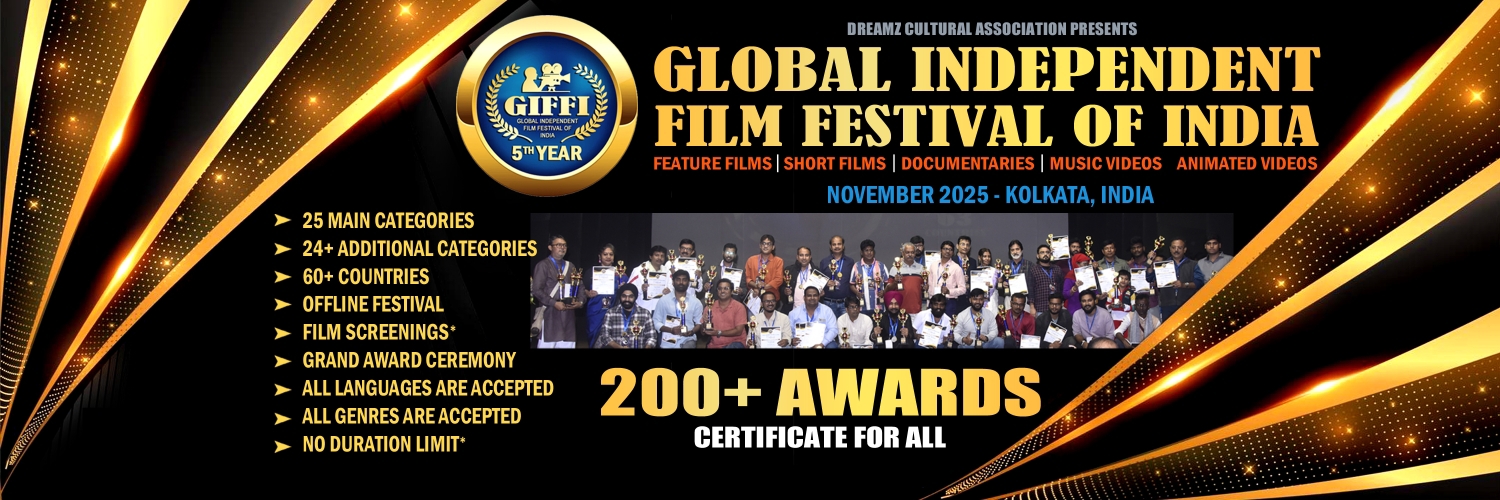
GIFFI honours films of world with a vast array of awards in different categories and genres. Our mission is to discover diverse new voices & to promote the artists’ work through numerous platforms. In each edition, Filmmakers can submit their projects to have them judged by award-winning industry professionals against a high standard of merit and compete with other short filmmakers across the globe.
We really admire your passion and enthusiasm as a filmmaker so with humbleness we invite filmmakers from all across the country to share your great films into Global Independent Film Festival of India – GIFFI.
The purpose of the festival refers to awareness of both the external filters on the screen, including censorship (commercial, ideological, aesthetic), and the internal filters of screen perception and projection, including self-censorship. NEFILTRAVANAE KINO is an exploration of aestheticization and commodification in art. The next aim of the festival is to expose the complexity, manysidedness, and variety of filmmaking.
NEFILTRAVANAE KINO (NoFilter Kino) is a film festival that is held by the Short Movie Club, the platform for cinematic projects. NEFILTRAVANAE KINO is ADAMI Media Prize qualified festival. The International Film Studies Conference is held at the same time as the film festival. In this way, film theory and practice are integrated together at the NEFILTRAVANAE KINO.
Originally the festival was held in Belarus, but because of political repression and publicly stated anti-war stance, screenings and events can be held in different countries. First of all in Poland (Warsaw), Germany (Berlin, Hamburg), Lithuania (Vilnius). For example, the 11th and 10th Nefiltravanae Kino took place in Warsaw, Berlin, Hamburg, Vilnius and Helsinki. The content of past years' film programs can be found on the website https://shortmovie.club/programmes/
The festival will be held in a hybrid format. We will have a part of live screenings and online screenings on a video platform https://film.nofilterkino.org/ . The video is cryptographically secured. In addition, we pay attention and promote films from our previous years that are released to the public on the Internet after their festival curcuit.
Nefiltravanae Kino involves theater, artists to interpret symbols and history. We work with the audience's reaction and participants' as well.
--------------------------------------------------------
The concept of the NEFILTRAVANAE KINO (NoFilter Kino):
ALIENATION PROBLEM
We live in a world of malls and cinema multiplexes. We see that indie cinema and non-commodity art go to the periphery of public attention. Primitive attractions replace the cinematography. The escape audience is alienated behind the big screen. So modern mainstream cinema is part of a manipulating tool that leads to the society of alienation. Thus the tendency is that indie cinema becomes more unreadable for the wide audience. We should understand the context of the filmmaker to understand the independent cinema. That is why the NEFILTRAVANAE KINO concept implies the physical presence of filmmakers.
FILM SELECTION PROBLEM
Filmmakers shoot millions of movies. And thousands of short film festivals organize screenings all over the world every year. On average, several thousand films are submitted to a film festival. So various good films can be neglected for whatever reason. Often selecting probability is like winning a lottery. As a result, filmmakers are left with no feedback. It is a paradox that no one can hear you in the age of the Internet! The mainstream culture prefers attractions and casual viewing.
Also, this idea is based on the film selection problem. Perhaps it’s no surprise one person, i.e. programme director at best, or even students of film schools make a preliminary decision to select a movie. Сoncordance of judges or previewers is more seldom thing than the difference of background, tastes. So selection or judging can be one-sided or perfunctory. It is not bad as the programme director has a good taste and aesthetic sensitivity, of course. But we’ve discovered another conception of “unfiltered cinema”. We matched it against “the best of the best” way. This way aids to perceive cinematic idiom without the dictate of art-curators.
CELEBRATION OF INDIE CINEMA
So the NoFilter Kino tries to avoid “the best of the best” way but it does not ignore it completely, sure. The festival selects fiction, animation, documentary, experimental and virtual reality sections. A jury awards the best film in every section. The festival holds the screenings at cinema theatres, the National Centre for Contemporary Arts, and art-spaces.
Our aim is to gather people in art, to have a dialogue to be happy with smart communication.
Cinema is art but not sport. The key point of our project is to establish communication between the filmmaker and the audience.
Please, read about the festival history through the link to the festival's website. http://shortmovie.club/history/
Welcome to the Arjuntala International Film Festival—an extraordinary cinematic journey that transcends the boundaries of traditional film festivals. Founded by a group of passionate creatives, AIFF is driven by a profound love for artistic innovation and an unwavering commitment to fostering emerging talent.
At AIFF, our mission is clear: to empower filmmakers as they launch their professional careers in the dynamic world of cinema. Beyond merely showcasing your work on a global stage.
Our festival is truly international, welcoming filmmakers from every corner of the globe. We eagerly anticipate films that embody courage, personal determination, and distinct voices. Our boundless enthusiasm for creativity knows no bounds, and we wholeheartedly embrace a wide range of projects that exemplify ingenuity and artistic brilliance. Our dedication extends to supporting and inspiring content creators, creating an environment where creativity can truly flourish.
So, welcome to the Arjuntala International Film Festival, where the spotlight shines on filmmaking every month. For the winners of AIFF, we proudly present an exclusive laurel and certificate in JPG format, a testament to your achievement that you can display or print with pride. Submit your masterpiece today and embark on your cinematic journey with AIFF—an unparalleled opportunity to break through boundaries and unlock new horizons in the world of filmmaking.
Haunted Carnival is a space for fantastic, horror, and uncanny cinema. We welcome productions from different genres that explore fear, the supernatural, the dark, the mysterious, and the unsettling in all their forms, from psychological horror to experimental works.
At Haunted Carnival, we seek to bring together filmmakers, the public, and members of the film industry in one space. More than a film festival, we are a gathering that fosters creation, reflection, and the sharing of stories that go beyond the everyday and dare to face the unknown.
The selected works will be presented at our in-person event on october 30, 2026, at the Rafael Pombo Corporation, with a program that includes screenings, talks with special guests, immersive experiences, and an awards presentation for the participating projects.
Culture x Frames is an inclusive cultural project. It offers a cultural bridge that brings people together through a shared interest in film and art. It promotes openness, exchange and creativity regardless of origin, age or social background.
The aim is to bring together all kinds of people from a wide variety of social backgrounds at one event. This is to be achieved through free entry and a diversity of locations and films.
As special focus is on films which are made in an unusual way.
There will be 6 evenings throughout the year of 2026. First 3 Events will be spread in the months between march and May. Last 3 Events will be in October and November, but there will be another submission deadline.
Autumn Events:
1st Event: 01.10.2026
Event Location: Nothburgaheim
2nd Event: 21.10.2026
Event Location: Theater Praesent
3rd Event: 12.11.2026
Event Location: TBA
Sapphic Film Sunday is dedicated to celebrating sapphic stories from independent filmmakers worldwide. We champion stories spanning women-loving-women relationships, sapphic identity, and queer history, that portray the full depth, joy, complexity, and diversity of sapphic life.
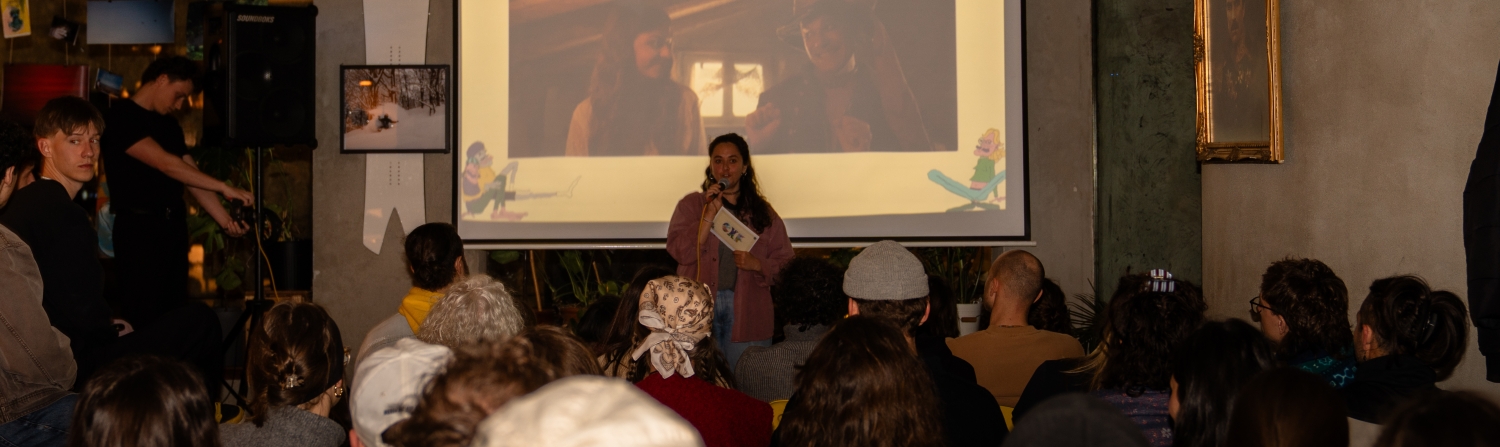
Our event is a curated 3-hour showcase featuring a single block of sapphic indie shorts, a live filmmaker Q&A, and a post-screening lobby social hour where you can grab a drink and chat.
After the entire screening block concludes, any filmmakers in attendance will be invited to do a brief Q&A session with the audience. Accepted filmmakers will receive (2) free passes to the event.
Our Commitment to Inclusion:
While all submitted films must center sapphic or WLW (women-loving-women) themes and narratives, we warmly welcome submissions from all creators, with a dedicated focus on uplifting:
-- cis and trans women
-- lesbians, bisexual, pansexual, and queer women
-- non-binary or gender-expansive individuals, and any folks who feel connected to and aligned with sapphic storytelling
What We Are NOT:
A traditional, high-stakes film festival. To be exact: we have zero awards, and zero prestige.
We are a low-key, independently funded community event built to bring folks together through sapphic cinema. Don’t expect red carpets or gold trophies—just a great showcase of indie film and a space to make a friend or two chatting in the lobby after.
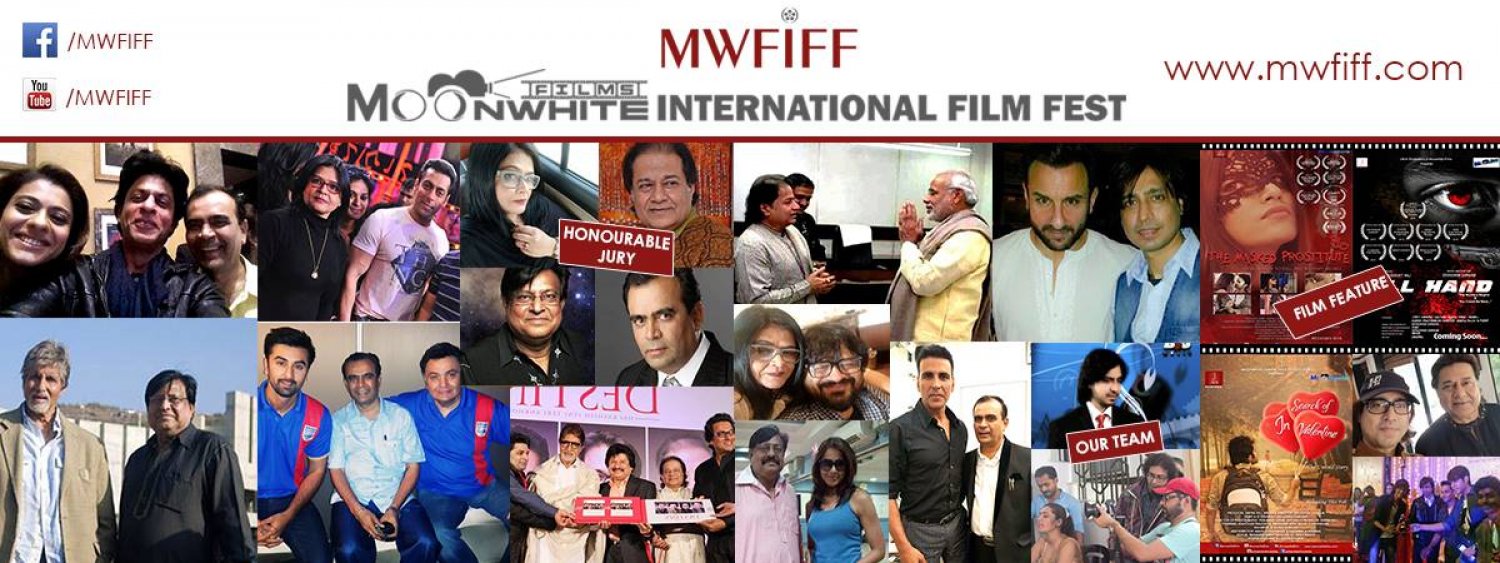
MWFIFF is an International Film Festival, which promotes new filmmakers, students, professionals by exchanging of knowledge, information, cultures, through movies. This will be 2 days Event with LIVE Screening & Award Ceremony along with Entertainment Programme in the heart of Mumbai city, India.
All Categories, All Genres All Languages are Accepted from All Continents including the Music Videos.
*English Subtitle is Compulsory.
*DCP / J2K File would be Compulsory if the film is selected for Screening in the Film Festival or Extra Cost would be charged if the filmmakers wants us to convert the file for the same. Extra Cost For the Film Conversion Would be $25 per movie.
We will be screening ONLY selected movies. Final Winners will be Awarded with Lady Trophy and Certificates. Nominated, Participants will be receiving Certificates ONLY. All the Awards and Certificates will be given by our Panel of Jury listed on our website and also by the Chief Guest, Bollywood Celebrities, VIP's guest etc present on the day of the Event. FOR more Updates please visit our websites: www.mwfiff.com
Juries
We have Jury From Radio Mirchi 98.3fm , World Famous Singer, Film Producer, Director, Choreographer International TV fame Personality and many more on the list.
Film or music video can be submitted directly through our website : www.mwfiff.com , www.festhome.com/f/4015 , OR (youtube / Vimeo, / Google Drive, like platforms) and sending us link ( and password if protected ),
In case of using submission platforms like Festhome, or any other platforms Press Kit, Film Posters, DCP file etc MUST be E-mailed to - contact@mwfiff.com, in order to complete submission.
Other Requirements :
Crew & Cast List including the technical team, Filmography of the Film director.
1. ( One Photograph of Director ).
2. ( Two Posters of film in JPEG format COMPULSORY (300 dpi, 768 x 1169 - pixel size) and (300 dpi, 3508 x 4961 - Pixel size)
Your film's trailer link not more than 1 minute in duration (Optional, for promotion & publicity purpose)
Direct Online i.e. submissions through our website : www.mwfiff.com
Step 1- Submit your film or music video through our direct online page available on our website : www.mwfiff.com/submission then share the link of your film or music video ( e.g. youtube, Vimeo, Google Drive etc) which is protected with the password, you will be required to mention the URL of your project in our direct online form.
Step 2- E-mail the "FILM PRESS KIT" to - contact@mwfiff.com ( NO HARD COPIES, ONLY SOFT COPIES TO BE E-MAILED )
Step 3- Pay the Appropriate Entry Fee to complete the registration.
Other Requirements :
Crew & Cast List including the technical team, Filmography of the Film director.
1. ( One Photograph of Director ).
2. ( Two Posters of film in JPEG format COMPULSORY (300 dpi, 768 x 1169 - pixel size) and (300 dpi, 3508 x 4961 - Pixel size)
Your film's trailer link not more than 1 minute in duration (Optional, for promotion & publicity purpose)
Direct Online Downloadable Film or Music Video Form i.e. submissions through our website by downloading form : www.mwfiff.com/submission
Step 1- Submit your film or music video by downloading the entry form through our website : www.mwfiff.com/submission
Step 2- Fill the form and email it to- contact@mwfiff.com along with "FILM PRESS KIT" ( NO HARD COPIES, ONLY SOFT COPIES TO BE E-MAILED )
Step 3- Pay the Appropriate Entry Fee to complete the registration.
Other Requirements :
Crew & Cast List including the technical team, Filmography of the Film director.
1. ( One Photograph of Director ).
2. ( Two Posters of film in JPEG format COMPULSORY (300 dpi, 768 x 1169 - pixel size) and (300 dpi, 3508 x 4961 - Pixel size)
Your film's trailer link not more than 1 minute in duration (Optional, for promotion & publicity purpose)
Award Ceremony Event Venue :
Balgandharva Rangmandir ( Sheila Gopal Raheja Auditorium ) 24th and 32nd Road, near to Patwardhan Udyan, Bandra West, Mumbai, Maharashtra 400050
Film Screening Venue :
INOX Metro
Mahatma Gandhi Road, Dhobi Talao, New Marine Lines, Junction, Mumbai, Maharashtra 400020
Live Entertainment, LLC, Russia in co-operation with EVENT FILM, Canada proudly present an annual festival event – International Horror, Action and Fantastic Film Festival & Awards "DROP".
The festival is being annually held in the city of Moscow since the year 2011 and contains 4 events:
- opening screening
- closing awards ceremony
- master-class and Q&A with movie stars
- film festival competition program screenings in cinema theatres
The Awards ceremony takes place in a big concert venue (changing every year) and consists of the show program and the ceremony of granting awards which is divided into the following jury voting categories:
- awards granted to local film distribution companies for the blockbusters screened in cinema theatres of Russia in the reported year;
- awards granted to young directors and producers as competition program. The category is called “Hope for Survival”;
- awards granted to World stars for the contribution to horror genre
The Awards ceremony is always visited and recorded by a large number of mass media.
The Master-class is a so-called Q&A horror convention held in a cinema theatre in a form of a question-answer session between the star guests of the festival and the audience + autograph session. The event usually ends with a premier film screening.
The festival program is a week non-stop screening of new movies in several Moscow cinema theatres. The films-participants of the competition program are being selected by the festival’s jury. Submissions are being analysed and accepted by the festival's organization committee during the whole year.
The festival's schedule usually also contains a pre-party and an after-party arranged for the honored guests and winners.
The TV version of the festival is televised by Tricolor TV platform.
The festival specializes in all sub-genres of horror and action film industry, i.e.: cartoon horror, comedy horror, psychological thriller, trash horror, zombie horror, giallo, slasher, suspense, detective, action, fantasy, sci-fi etc. Starting from the year 2013 the festival also specializes in survival horror video games sphere.
The festival is annually visited in person by World-known honored guests. The previous years’ guests were: Eric Roberts, Stuart Gordon and Bryan Yuzna, Jodelle Ferland, Costas Mandyllor & Tobin Bell, Lloyd Kaufman, Akira Yamaoka, Marco Ristori and Luca Boni, Preity Uupala, Yeppe Laursen, Silje Reinaamo, Daniel Licht, A.J. Annila, Leonid Kuravlev, Igor Zhizhikin, Oliver Robins, Corbin Bernsen, Lauren Esposito, John Kassir, James Russell, Mick Garris, Shawn Hall, Liesl Ahlers, Kyle Catlett, Lina Leandersson, Richard Cutting, Helen Crevel, Javier Botet, SWERY, Adnan Koc, Naomi Grossman & Ben Wolf, Sergio Stivaletti
...and many others
A great number of star winners also annually send their exclusive video messages which are being screened during the ceremony.
A more detailed information about the festival can be found on the English version of our web site, on Wikipedia and in social media.
The festival champions great films but is particularly seeking work from those filmmakers who might not yet have had a prestigious public screening of their work.
Screening in the heart of London UKFF welcomes films of all types from all over the World - connecting up-and-coming filmmakers with more established names such as Judi Dench, Dustin Hoffman, James Corden, Bill Nighy, Timothy Spall, Steven Berkoff and most recently Willem Dafoe.
Category awards are given for Best Feature Film; Best Feature Documentary; Best Short Documentary; Best Animation; Best Music Video; Best British Short; Best International Short; Best Student Film; as well as special awards for excellence.
Mat Kirkby, Oscar Winner and Director at Ridley Scott Associates states that "The UK Film Festival is the most focused, passionate and quality driven film festival in the UK. Their invaluable support helped get me to the Oscars in 2015, where I won the Academy Award for best short film."
With a programme that showcases new talent alongside established directors, filmmakers and actors UKFF is a lively networking hub. Over the last 7 years UKFF has quickly become a career stepping stone, establishing a tradition of discovering and promoting films which have gone on to be Oscar and BAFTA nominees and winners. The script competitions have also made a big impact - five scripts have been optioned and three have been produced and gone on to win multiple awards and gained prestigious worldwide distribution deals.
Led by a jury of well respected professional filmmakers and as a member of Universal Films and Festivals Organisation we ensure a fair selection and judging process.
Our exciting screening events have created a networking hub that continues to connect new filmmakers to industry including television exposure by leading British broadcaster, Channel 4.
Another evolution of cinema is here.
We are thrilled to announce the launch of the First Annual Global Entertainment Online Film Festival, a groundbreaking global event dedicated to showcasing the innovation and evolution of storytelling across the screen.
Set for November 6th, 7th, and 8th, 2026, Global Entertainment Online Film Festival is poised to become the premier online portal of a platform connecting emerging and established voices in film with a worldwide audience of critics, consumers, film fanatics, corporations and industry leaders.
A New Era for Filmmakers
Global Entertainment Online Film Festival is a valuable expansion and additional structure of Global Entertainment Portal LLC, operating out of Flagstaff, Arizona, and architected, created, designed by Underworld Status Unlimited Multimedia Group LLC, based in Las Vegas, Nevada, and Universal City, California. This unique partnership delivers a festival built on decades of executive experience in both corporate America and the entertainment industry.
We extend a passionate welcome to all content creators, future filmmakers, students, and scholars—from the independent visionaries and up-and-coming talents to those submitting top-tier B-list and A-list entries. Whether you are on the West Coast, the East Coast within the United States, or in any nation or country across the globe, this is your platform.
What Global Entertainment Online Film Festival Offers Winners
This is more than a festival; it's a launchpad. Winners will receive an unparalleled package designed for true professional advancement:
Trophies recognizing excellence in your craft.
Brand Development and Innovation Services tailored to your unique vision.
Domestic and Global Marketing to elevate your project's profile.
Business Development Services provided by seasoned executives, executive producers, and producers specializing in the intersection of Corporate America and the entertainment industry.
Global Distribution Services to bring your work to the world.
Submission Categories
We invite submissions across a diverse range of categories, ensuring every genre has a home in this Golden Age type of film festival:
* Horror Feature
* Horror Short
* Action Full Feature
* Action Short
* Drama Full Feature
* Drama Short
* Documentary
* Comedy Short
* Comedy Full Feature
* Animation
* Screenplay
* Romantic Comedy
* Sizzle Reel/Music Video
* Soundtrack/Music composition for film and television
Join us for the First Annual Global Entertainment Online Film Festival. Submit your work, secure your spot, and be a fundamental part of the innovation and evolution for the next generations of cinema.
Global Entertainment Online Film Festival is the future Portal into global entertainment.
Meet Our Valued Sponsors:
1. Underworld Status Unlimited Multimedia Group LLC https://share.google/2Qcgkw4ht6K20lms4
2. Global Entertainment Portal LLC
http://globalentertainmentportal.com/
3. Brand Yourself Apparel
https://www.brandyourselfapparel.com/
4.BYA Alliance Inc.
https://byaallianceinc.com/
5. Angela Joseph Productions
https://m.imdb.com/name/nm5421050/?ref_=ext_shr_lnk
6. Joyful Funding
www.Joyfulfunds.com
Other sponsorship opportunities and sponsorship packages are available and on sale right now and throughout 2026 leading up to the event.
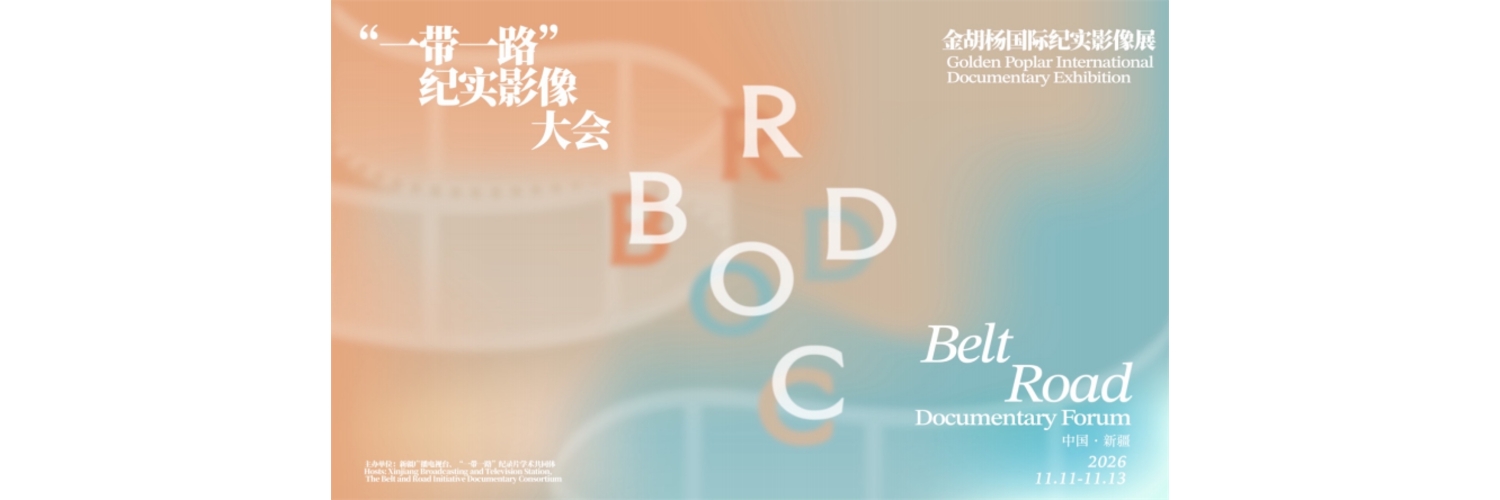
Hosted by Xinjiang Broadcasting and Television Station and The Belt and Road Initiative Documentary Consortium, BRDOC centres on the theme Connecting the Silk Road Through Documentary: Building a Shared Eurasian Home, with a focus on ecological civilisation and green development across Silk Road countries. The forum will bring together broadcasters, streaming platforms, producers, distributors and investors from China, Asia, Europe and beyond, with the aim of building a lasting platform for international documentary exchange and cooperation.
Golden Poplar International Documentary Exhibition, as part of the inaugural BRDOC, is globally soliciting documentary works focusing on true stories from regions along the Silk Road.
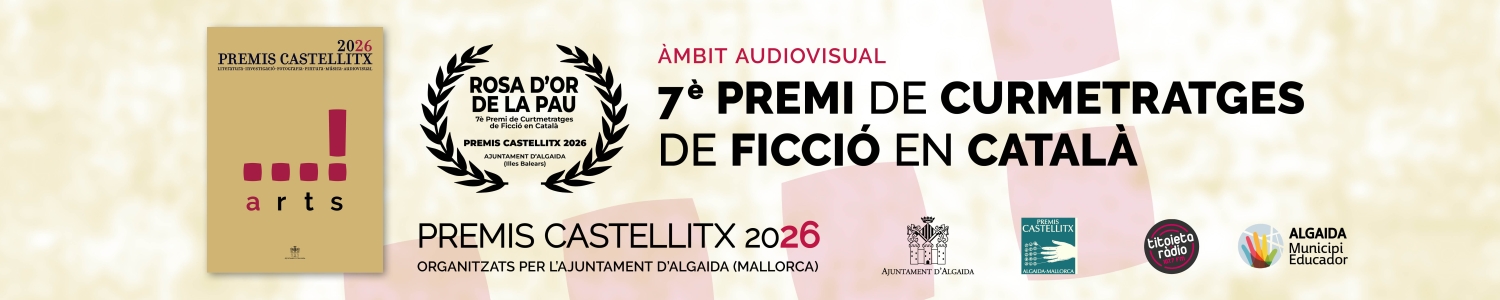
8th Prize for short fiction films in Catalan. Only works in their original Catalan-language version will be accepted. Films without dialogue are not eligible.
IA en Corto is an International Short Film Festival dedicated to exploring new forms of audiovisual creation emerging from the use of Artificial Intelligence.
The festival seeks works that research, experiment with, or integrate AI tools at any stage of the creative process, including image generation, animation, scriptwriting, editing, sound design, or narrative development.
IA en Corto was created as a space for filmmakers, digital artists, audiovisual creators, and experimental artists from around the world who understand artificial intelligence not only as a technical tool, but as a new creative language.
The festival celebrates innovation, diversity of perspectives, and the dialogue between cinema, technology, and the future.
It is not required for the entire short film to be generated using AI; however, its use must be relevant and creative, not merely technical or incidental.
Keywords: Artificial Intelligence, AI Short Film, Sci-Fi, Digital Art, Animation, New Media.
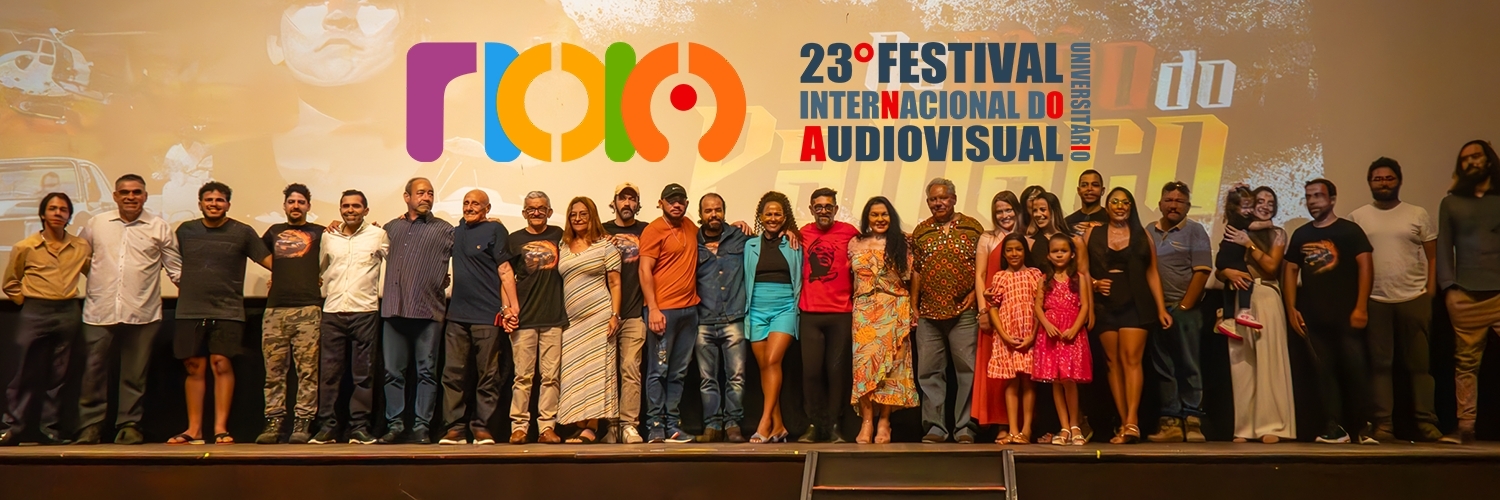
NOIA is a university film festival that originated at a Brazilian public university. It was created by students who wanted to make their own films, share their stories, and create spaces for exhibition, dialogue, and artistic exchange. Since 2002, the festival has evolved alongside changes in culture, education, and the audiovisual industry, building a legacy defined by training, diversity, innovation, and the empowerment of new generations of filmmakers.
In its 24th edition, the NOIA Festival reaffirms its commitment to democratizing access to culture, fostering exchange among universities, artists, and institutions, and promoting independent cinema created by students and emerging filmmakers from Brazil and around the world.
In 2026, the festival celebrates the theme “Women-Made Cinema,” highlighting the strength of women's narratives, the diversity of perspectives, and the vital contributions women have made and continue to make to the history and future of audiovisual storytelling. The program encourages reflection on representation, inclusion, gender equity, and the challenges women face in the fields of film creation, production, and exhibition.
Held in Fortaleza, Ceará, Brazil, NOIA brings together competitive screenings, panel discussions, workshops, forums, educational activities, and accessibility initiatives, strengthening the connection between art, education, and social transformation.
The 24th NOIA Festival is organized by PROPONO Cultural Consulting, with the support of partner institutions and sponsors who believe in the power of culture as a catalyst for human and social development.
To complete your registration, please send your Proof of Enrollment and NOIA Festival Participation Declaration to:
noia@propono.com.br
For more information and the full regulations:
Festival NOIA Official Website
Thank you for participating in the 24th NOIA Festival. We wish you success with your submission and look forward to celebrating cinema with you in Fortaleza!
“RIETI & SABINA Film Festival”
25 NOV 2026
The “RIETI & SABINA Film Festival” aims to provide an opportunity for audiences to discover talents, Authors, Actors, Directors, and Filmmakers, to foster synergies between Film Professionals and emerging talents.
VIII INTERNATIONAL EXHIBITION OF FILM AND SCIENCE 2026
The International Exhibition of Cinema and Science is an event that will take place at Centro Cultural Doctor Madrazo (Santander, Spain), between the 10th and 12th of November, 2026. Is admitted any work of any genre related to science and scientific divulgation.
The objective of the exhibition is to promote the production and divulgation of works that foster the positive and progressive values of science and technology, and that serve as a consultation for any type of audience. The subject is totally free and can refer to own or other people's research, hot topics in the society or scientific community, personal scientific-technical passions, basic science concepts, scientific milestones, historical figures, the science of the future or past, etc.
GIGGLE FILM FESTIVAL - the biggest comedy short film festival in London!
We screen the funniest comedy short films around from the UK and International filmmakers to our lively audience in a huge 500-seat converted warehouse venue in North East London.
We're seeking the best and funniest short films around, from live-action to animation, dark comedy to slapstick, and everything in between!
This is a chance to screen your comedy film to a whole new audience, whether your film is hot off the press or has previously done the festival circuit, we'd love to see it.
Giggle Film Festival is run by filmmakers, for filmmakers.