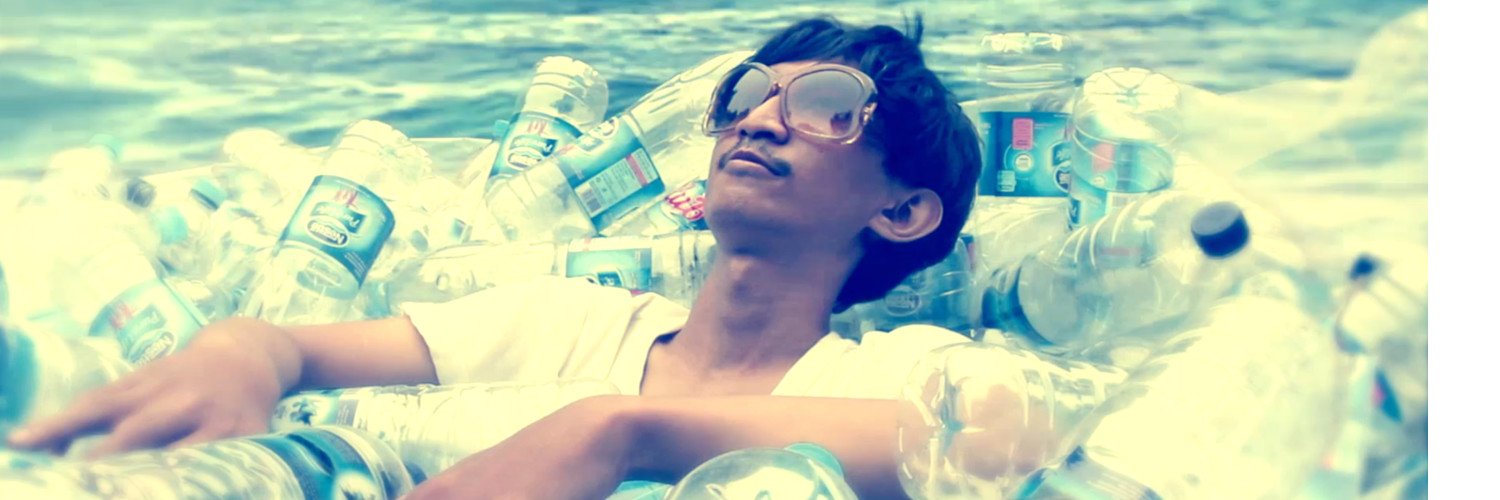
Il CINE ANIMAL FEST è un festival per i Diritti degli Animali, organizzato e presentato nella città di Bogotà, Colombia, che, sulla base del cinema e di altre manifestazioni artistiche, mette in discussione il nostro rapporto con altri animali, con lo scopo di contribuire alla costruzione di un nuovo mondo, gratuito e giusto per tutti gli abitanti del pianeta.
Experimental Forum è un festival internazionale di cinema e videoarte che presenta film sperimentali e immagini in movimento di artisti di registi d'autore e videoartisti innovativi di tutto il mondo. Il nostro obiettivo è fornire una piattaforma di supporto per questo lavoro entusiasmante e stimolante che esula dall'ambito dei principali festival cinematografici e delle gallerie d'arte.
Diamo il benvenuto a opere cinematografiche sperimentali (astratte, narrative o documentarie), opere di videoarte, film di saggi, immagini in movimento e arte multimediale di artisti, nonché film documentari e narrativi che cercano di espandere, ridefinire o riconfigurare i mezzi e i fini dei rispettivi campi. Experimental Forum esiste per fornire accesso e sviluppare il pubblico alle opere di immagini in movimento degli artisti e si impegna a coinvolgere il pubblico locale con voci nuove e/o inascoltate nel cinema.
Siamo particolarmente interessati alle opere realizzate da registi e artisti in fase iniziale il cui lavoro è sottorappresentato. Forniamo una piattaforma collaborativa per opere di immagini in movimento realizzate per la galleria e per il cinema con l'obiettivo di costruire una comunità al di là delle barriere disciplinari e istituzionali.
Documentari, finzioni, animazioni e sperimentali.
Questioni politiche, sociali, razziali, di genere, ecc.
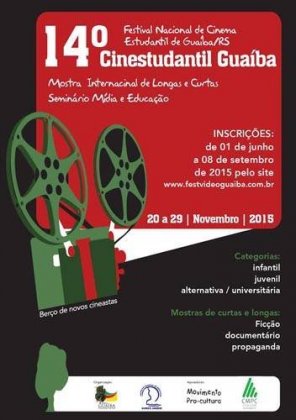
The 16th National Guaíba Student Film Festival (Cinestudantil Guaíba) will take place November 6-14, 2017, in the city of Guaíba, Rio Grande do Sul State. The event aims to encourage audiovisual production as a pedagogical activity linked to the curriculum School.
AGGIORNAMENTO COVID-19: Continueremo a tenere il nostro festival, anche se il formato sarebbe via streaming online a causa delle restrizioni COVID-19. Si applicano le stesse regole. Per maggiori informazioni, visitare il sito www.miwaff.com.
Durante le nostre due stagioni precedenti, il nostro tasso di selezione è stato del 77%. Nel 2018, il nostro tasso di selezione era del 79% e nel 2017 era dell'84%. Quindi scegli MIWAFF per avere maggiori possibilità di essere nominato e vinci uno dei nostri prestigiosi Wreath Awards!
I VINCITORI DEL MIWAFF PREMIO ricevono non solo i nostri prestigiosi premi, ma anche riconoscimenti su IMDB e un anno di iscrizione a IPitchtv.com! Le proiezioni dei film saranno disponibili per lo streaming durante il periodo del Festival.
MIWAFF promuove tutti i tipi di film, sia che si tratti di indie che di studio. La nostra missione è quella di unire registi e artisti in un'atmosfera competitiva dando prestigiosi Wreath Awards sotto un processo democratico di voto popolare. Il nostro Festival recluta artisti coinvolti nel cinema. Questa giuria di artisti vota collettivamente quale film giocherà al nostro festival e, inoltre, vota su quali film vengono nominati e vinti.
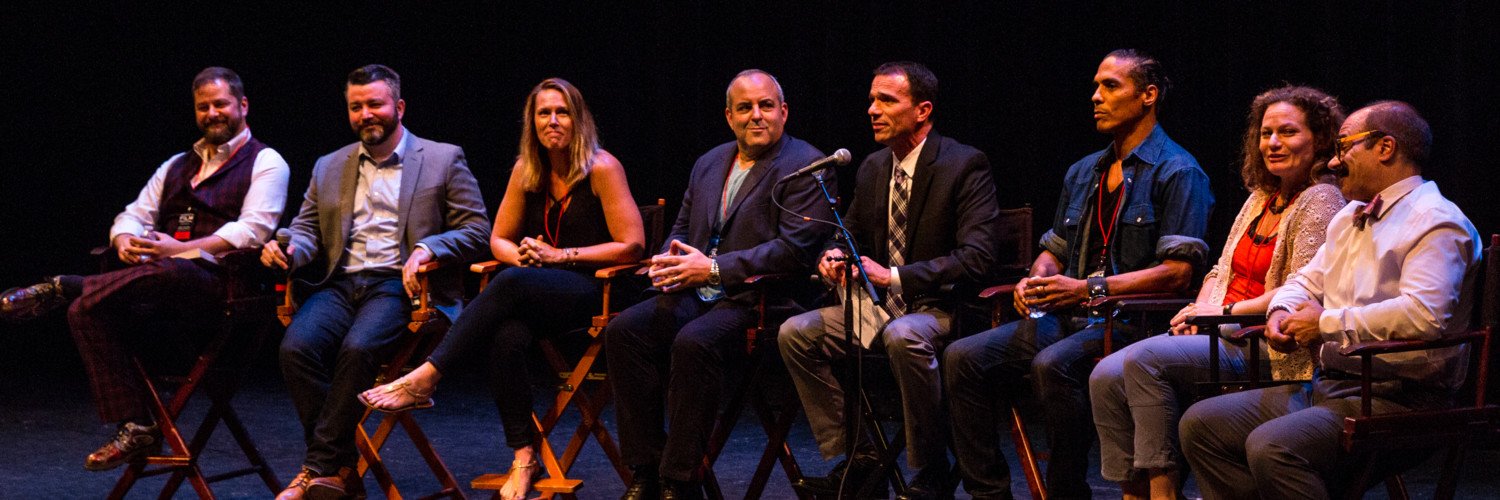
Votato come miglior festival cinematografico del New Jersey, il Monmouth Film Festival, Inc. è un'organizzazione senza scopo di lucro del New Jersey progettata per promuovere e collegare registi provenienti da tutto lo stato, Paese e da tutto il mondo! Il festival è più che un'opportunità per gli artisti di mostrare il loro lavoro, è un forum per opportunità educative attraverso workshop, networking, Q&A e pannelli speciali con ospiti del settore; che forniscono informazioni, crescita e ispirazione. La nostra piattaforma unica si sforza di creare un'atmosfera in cui registi di tutti i livelli, tra cui opere ad alto e basso budget, possano essere visti, ascoltati e interagire con spettatori, promotori e altri artisti. Ogni anno stimati ospiti del settore provenienti da New York City, New Jersey, Los Angeles (e tutte le regioni del mondo), da grandi aziende mediatiche, tra cui Netflix, ABC, Disney, Nickelodeon, Viacom, Backstage e altri, partecipano al Monmouth Film Festival per interagire con i registi. Non perdere l'opportunità di partecipare e iscriversi al festival cinematografico acclamato e di alto livello del New Jersey!
Ritorno dal 14 al 16 agosto 2020 al Two River Theater a Red Bank, New Jersey.
Lo scopo del festival si riferisce alla consapevolezza sia dei filtri esterni sullo schermo, inclusa la censura (commerciale, ideologica, estetica), sia dei filtri interni della percezione e della proiezione dello schermo, inclusa l'autocensura. NEFILTRAVANAE KINO è un'esplorazione dell'estetizzazione e della mercificazione nell'arte. Il prossimo obiettivo del festival è quello di esporre la complessità, la molteplicità e la varietà del cinema.
NEFILTRAVANAE KINO (NoFilter Kino) è un festival cinematografico organizzato dallo Short Movie Club, la piattaforma per progetti cinematografici. NEFILTRAVANAE KINO è un festival qualificato all'ADAMI Media Prize. L'International Film Studies Conference si svolge contemporaneamente al festival cinematografico. In questo modo, la teoria e la pratica cinematografica sono integrate insieme al NEFILTRAVANAE KINO.
Originariamente il festival si svolgeva in Bielorussia, ma a causa della repressione politica e delle posizioni contro la guerra dichiarate pubblicamente, proiezioni ed eventi possono essere organizzati in diversi paesi. Innanzitutto in Polonia (Varsavia), Germania (Berlino, Amburgo), Lituania (Vilnius). Ad esempio, l'undicesimo e il decimo Nefiltravanae Kino si sono svolti a Varsavia, Berlino, Amburgo, Vilnius e Helsinki. Il contenuto dei programmi cinematografici degli anni passati è disponibile sul sito web https://shortmovie.club/programmes/
Il festival si terrà in un formato ibrido. Avremo una parte delle proiezioni dal vivo e delle proiezioni online su una piattaforma video https://film.nofilterkino.org/. Il video è protetto crittograficamente. Inoltre, prestiamo attenzione e promuoviamo i film degli anni precedenti che vengono distribuiti al pubblico su Internet dopo il circuito dei festival.
Nefiltravanae Kino coinvolge il teatro, gli artisti nell'interpretazione dei simboli e della storia. Lavoriamo sulla base della reazione del pubblico e anche dei partecipanti.
----------------------------------------------------
Il concetto di NEFILTRAVANAE KINO (NoFilter Kino):
PROBLEMA DI ALIENAZIONE
Viviamo in un mondo di centri commerciali e cinema multisala. Vediamo che il cinema indipendente e l'arte non commerciale vanno alla periferia dell'attenzione del pubblico. Le attrazioni primitive sostituiscono la cinematografia. Il pubblico di Escape si sente alienato dietro il grande schermo. Quindi il cinema mainstream moderno fa parte di uno strumento di manipolazione che porta alla società dell'alienazione. Quindi la tendenza è che il cinema indipendente diventi più illeggibile per il vasto pubblico. Dovremmo capire il contesto del regista per comprendere il cinema indipendente. Ecco perché il concetto di NEFILTRAVANAE KINO implica la presenza fisica dei registi.
PROBLEMA DI SELEZIONE DEI FILM
I registi girano milioni di film. E migliaia di festival di cortometraggi organizzano proiezioni in tutto il mondo ogni anno. In media, diverse migliaia di film vengono presentati a un festival cinematografico. Quindi vari buoni film possono essere trascurati per qualsiasi motivo. Spesso selezionare la probabilità è come vincere alla lotteria. Di conseguenza, i registi non hanno alcun feedback. È un paradosso che nessuno possa sentirti nell'era di Internet! La cultura tradizionale predilige le attrazioni e la visione informale.
Inoltre, questa idea si basa sul problema della selezione dei film. Forse non sorprende che una persona, vale a dire il direttore del programma nella migliore delle ipotesi, o anche gli studenti delle scuole di cinema prendano una decisione preliminare sulla selezione di un film. La concordanza tra giudici o spettatori è più rara della differenza di background e gusti. Quindi la selezione o il giudizio possono essere unilaterali o superficiali. Non è male perché il direttore del programma ha buon gusto e sensibilità estetica, ovviamente. Ma abbiamo scoperto un'altra concezione di «cinema non filtrato». L'abbiamo confrontato con il metodo «il meglio del meglio». Questo modo aiuta a percepire l'idioma cinematografico senza il dettato dei curatori d'arte.
CELEBRAZIONE DEL CINEMA INDIPENDENTE
Quindi NoFilter Kino cerca di evitare il «meglio del meglio» ma non lo ignora completamente, certo. Il festival seleziona sezioni di finzione, animazione, documentario, sperimentale e realtà virtuale. Una giuria premia il miglior film in ogni sezione. Il festival organizza le proiezioni nelle sale cinematografiche, nel Centro nazionale per le arti contemporanee e negli spazi artistici.
Il nostro obiettivo è riunire le persone nell'arte, dialogare per essere felici con una comunicazione intelligente.
Il cinema è arte ma non sport. Il punto chiave del nostro progetto è stabilire una comunicazione tra il regista e il pubblico.
Per favore, leggi la storia del festival attraverso il link al sito web del festival. http://shortmovie.club/history/
SURKO is a micro documentary and short film festival about rural permaculture, which this year adds the animation category to its 2016-2017 call for participants; SURKO has an itinerant nature and thus it will be presented in different countries, comprised by Chile, Mexico, Colombia and Brazil in its 2016-2017 tour.
The festival lasts between 2 or 3 days in each location, according to schedule or as invitations come. Each presentation will count with the showcase of the participating works, considering duration and topics adapt to the features of each festival.
Parallel to each SUR-KO program, different activities will be carried on, such as: Open Space on innovation, local development, creative industries and/or economic development of the Iberoamerica, symposia, workshops and more; if you are desirous to join the team, just ask us how.
LOOK AT THIS VIDEO
https://youtu.be/M9zDDooyb4E
In order to spread the work of film students, creating audiovisual workshops in public high schools and promote the screening of short films among the general public, we present the film festival "FECIN. From school to school. Film School Fest". In its second edition, we call on all directors they are regular students or carry a maximum of two years of graduates in any film school and / or audiovisual communication in chilean territory, to submit their short films and participate in the shows scheduled between 20 and 24 November 2017 at the University of Santiago, Cineteca University of Chile, House culture Violeta Parra and "Sala K" in Santiago. The Festival includes activities such as traveling exhibition of Chilean shorts; conducting theoretical / practical audiovisual workshops in municipal schools and subsequent exhibition of the work, in addition to lectures and master classes featured professionals of the Chilean audiovisual medium.
"FECIN. From school to school. Film School Fest"is a non-profit activity, free of charge which is funded by Council for Culture and the Arts, through FONDART call 2016. All short films received will only be used for the purposes specified on the basis of this call. No prizes or awards are granted, the aim of the exhibition is to open spaces for work of students from film schools can reach a wider audience and to value the short film format.
Il GEH Short Film Competition è un concorso di cortometraggi sui diritti umani che si svolge in diverse località di Gipuzkoa (Paesi Baschi).
Questo concorso fa parte del progetto globale sui diritti umani Giza Eskubideak Herrira (Bringing human rights to the people.). Il GEH è un progetto di sensibilizzazione sui diritti umani creato dalla cooperativa dar-dar Productions nel 2015. Le prime edizioni avevano sede a Ordizia. Nel 2023, il festival si è sviluppato e si è esteso a diverse città di Gipuzkoa (Euskal Herria).
L'obiettivo principale di questo concorso è sensibilizzare ed educare ai diritti umani.
Perché questo concorso di cortometraggi è una finestra che apriamo sul mondo e da quella finestra possiamo vedere le diverse realtà in cui le persone vivono in diverse parti del pianeta. Alla luce di queste realtà, intendiamo incoraggiare la riflessione sulle violazioni dei diritti umani in diverse parti del mondo.
I Discover Film Awards sono uno dei più grandi festival di cortometraggi al mondo, con oltre 5.000 iscrizioni annuali provenienti da oltre 100 paesi, anteprime globali a Leicester Square di Londra con pubblico ricco di cinema, feste di cineasti, eventi sul red carpet, tavole rotonde per il lancio di sceneggiature con fondi disponibili per i nuovi e un fondo annuale di premi in denaro di oltre 50.000 dollari, incluso il prestigioso Craghoppers Film Prize. Il festival del cinema è costantemente votato tra i primi 50 del mondo. Distribuito in 5 giorni nell'ottobre 2019, il festival prevede proiezioni al cinema pubblico presso il cinema Prince Charles di Leicester Square a Londra. Quentin Tarantino lo descrive come il suo cinema preferito a Londra dicendo che è «tutto ciò che un cinema indipendente dovrebbe essere». I film sono alla ricerca dei migliori cortometraggi: storie che condividono la vita dei registi; ciò che li infastidisce o li fa ridere, delle ingiustizie, degli eroi non cantati, del serio, del bizzarro, del divertente o semplicemente dove l'immaginazione dei cineasti li porta. Tutti i tipi di cortometraggi sono invitati a partecipare con premi per: azione, dramma, fantascienza, docs, horror, commedia, sperimentale e tutto il resto (un elenco completo delle categorie di premi è fornito, di seguito). Tutti i film devono essere meno di 45 minuti. Uno dei principali partner sostenitori del festival è Craghoppers, il marchio globale di abbigliamento outdoor, che assegna The Craghoppers Film Prize, uno dei più grandi premi in denaro disponibili per i cortometraggi. Il primo premio è di 20.000 sterline (26.000 dollari) in contanti con un secondo premio di 5.000 sterline (6.500 dollari) e ulteriori premi di 5.000 sterline (6.500 dollari) per il miglior film d'impatto sociale e 2.000 sterline (2.600 dollari) per il miglior film studentesco. Inoltre, ci sono vari premi in natura da parte degli sponsor. I film selezionati hanno la possibilità di varie opportunità di distribuzione a pagamento, tra cui la TV internazionale, i principali treni, gli hotel e le compagnie aeree. La distribuzione è facoltativa e dipende interamente dal cineasta. Oltre ai premi in denaro, i vincitori possono ottenere aiuto per i futuri progetti cinematografici sotto forma di tariffe scontate da aziende partner (come case di produzione) e di mentoring da parte di senior film commerciali e dirigenti aziendali. Il festival introduce anche i registi alle fonti di finanziamento per progetti futuri e offre pubblicità attraverso una vasta gamma di media (stampa e social) quindi entra oggi!
The International Short Film Festival of the all us other Social diversity aims to be a platform for young LL everyone disclose their works and share experiences and concerns in a conference devoted to the cinema and people.
The film would not exist without people, but there may be people without cinema? Of course that Yes, and homeless and without clothes and without food, full is the world of people who have nothing, not film. To all of them we dedicate our festival to serve the film les voice, even cry. A means to vindicate the justice, equality and rights denied by the world. An agile and current to denounce injustice and inequality, the horror.
This effort, on the premise that what has been the monopoly of a multi-billion dollar industry, is mutating into a mass system of creation and multicultural exchange. Access to technology and the Internet open field to new youth and community expressions, the filmmaking turns and we intend to respond to this transformation.
Love for cinema, passion for people and the conviction that the arts and culture and the exchange of experiences and opportunities it is possible to create a better world...
.. .a world of film.
Organised by Donostia Kultura, the San Sebastián Horror and Fantasy Film Festival took its first steps in 1990. Ever since its beginnings, the Festival has endeavoured to fashion a programme offering something for every kind of spectator. Horror movies, sci-fi, animation, shorts, classics from all over the world… have alternated the length and breadth of its history with shows, exhibitions, concerts and various other activities in the attempt to create a varied competition in which everyone can find something they like.
Since its inception, the "Festival of cinema unusual de Buenos Aires" has proposed to investigate the least explored aspects of the current film production in order to meet the expectations of those who yearn for a different filmic vision. A target to meet is to facilitate the knowledge of many new authors who, fleeing the current stereotype, offer an eclectic perspective from the thematic and visual.
From 19 to 29 October 2017, we carry out the Thirteenth Edition in important offices of the autonomous city of Buenos Aires. Of a competitive nature, it has a duration of 11 days and us sponsored by important institutional bodies. Also, carry out promotional, permanent monthly activities of the Festival: lights/signs and participations in film markets.
CATACUMBA UNDERGY FILM FESTIVAL è un progetto culturale, artigianale e resistente che dal 2000 si sviluppa nel comune valenciano di Godella e che utilizza come spina dorsale la proiezione di recenti opere audiovisive che coesistono durante la celebrazione di questo particolare festival. Alla sua 17a edizione, il festival mira a raccogliere proposte cinematografiche indipendenti che offrono una prospettiva alternativa creata dalla trasversalità che il linguaggio cinematografico permette. Opere che in qualche modo sovvertire la morale, smantellano le repressioni, le nostre filie e le fobie e che evidenziano i difetti strutturali della società in cui viviamo. A margine dell'industria dello spettacolo troveremo proposte che ci possono portare verso diversi modelli di espressione che permettono al cinema narrativo di tornare alla categoria espressiva che cerca di invitare la riflessione. Forse se è strano è perché rimane nascosto dalla percezione e dai sensi. Comprendiamo che la produzione cinematografica sta vivendo un processo creativo che esalta la fusione tra generi, alimentando l'originalità e la diversità del mezzo, attribuiamo a tutte queste possibilità. Da CATACUMBA vogliamo riflettere questa realtà creativa, dando spazio ad un maggior numero di opere, a volte inclassificabili, ma che agiscono come specchi della strana realtà che viviamo. In cortometraggi e lungometraggi avrete la possibilità di sentire tutte le paure, i sogni, le fie e le fobie che i nostri registi intendono trasmettere. Conoscerete generi una volta ingiuriati e sottovalutati, ma che hanno avuto titoli trascendentali nella storia del cinema e che sono diventati autentici referenti della filmografia universale. Riflettendo il cinema della nostra realtà sociale, il cinema che ci convince di più ogni giorno che la realtà supererà sempre la finzione.
Mission:
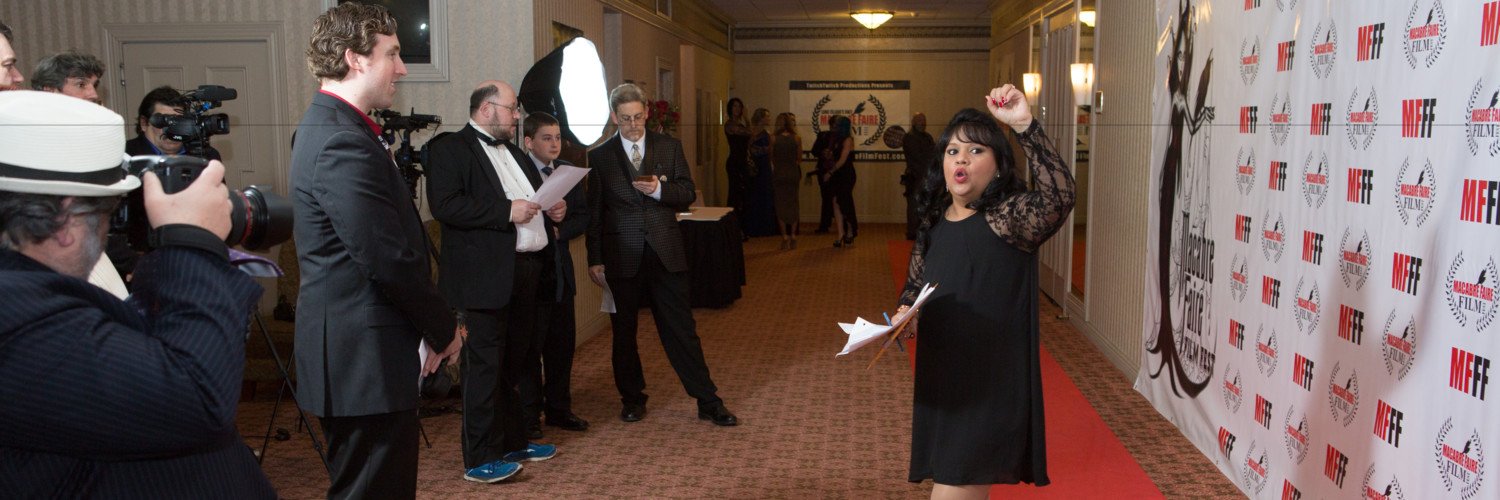
A judged film festival described as "Sundance with Fangs" by Newsday Long Island. We provide a venue for showcasing your films within a celebratory & respectful environment, where fans can enjoy the independent films entered by those of you who passionately craft your Strange-ifical, Weird-ifical, Horror-ifical, Sci-fi-tastical, Fantastical and Macabre-licious films. The opportunity to win awards, increase film visibility via press and possibly obtain distribution is always part of the equation with the Macabre Faire Film Festival.
For starters the word "Macabre" is pronounced: Ma-Cob. The "re" is hardly ever heard. What does it mean?
Although it is an adjective meaning: disturbing and horrifying because of involvement with or depiction of death and injury, WE ARE NOT SOLELY A HORROR FILM FESTIVAL but instead a whole lot more than that. We usually approach the Macabre Faire Film Festival with a lighter touch in the sense that, not all of the films screened are horror and instead many may simply be considered a bit on the darker side. Of course, we will add some horror to this festival but, when we hear the word "Macabre" we remember those hauntingly fascinating films that starred legendary greats such as:
Vincent Price & Peter Cushing or those fantastic Gothic horrors like the "Hammer" films. These names in themselves represent what "macabre" means to us. What we are saying is that the word "Macabre" DOES NOT mean we only accept HORROR films but instead that we welcome those films that can tap into our fears through what you don't see or hear. A dark drama, mystery, suspense, thriller or dark comedy can do a lovely job making us feel uncomfortable in the dark. So folks, this is what many of the films selected for the Macabre Faire Film Festival offer. A buffet for any pallet. About the only thing we may have to say "No Thanks" to would be a romantic comedy/drama... unless, there's a monster under the bed during love making or other dark element.
All submitted films are pre-screened by select judges that includes Eileen Dietz, our Festival Ambassador, of the original "The Exorcist" film to ensure the films have followed guidelines and are an overall fit for the festival. Then the films are passed on to another set of judges consisting of more filmmakers, film critics, genre film fans and or seasoned actors to choose the Official Selections. Once these selections have been identified there is an additional judging process in collaboration with the original pre-screening judges to identify the different category nominees. Once you have been notified we insist on having the film festival entry form filled out and submitted back to the festival via email or snail mail within 4 weeks of acceptance. This form can be found on our website or it has been emailed to you as an attachment with your initial welcoming email.
URGENT NOTE: IF THERE IS NO CORRESPONDENCE BETWEEN THE FESTIVAL AND INDIVIDUAL WHO SUBMITTED THE ACCEPTED FILM WITHIN 4 WEEKS FROM INITIAL ACCEPTANCE NOTIFICATION, WHICH ALL FILMMAKERS RECEIVE FROM FESTHOME BY DEADLINE DATE, YOUR FILM WILL NO LONGER BE AN OFFICIAL SELECTION IN THE MACABRE FAIRE FILM FESTIVAL. So we urge everyone to check their spam folders at all times and or ensure to make contact with the festival within 4 weeks of the acceptance notification. Failure to do so will exclude your film from the festival. Please take the time to ACTUALLY READ all the pages of the submission form which contains mailing address information (if needed) and other very important details which includes getting your discs or film posters sent to the festival in a timely fashion. This does not mean mailing materials in 2 weeks before the event as they will not be accepted.
Moving on...
January's festival always falls on Martin Luther King Jr weekend for easy remembering. This 4 day event start with Thursday and Friday being solely screening days with minimal panels within 3 screening rooms. The festival continues for another 2 days with Saturday screenings starting at 12pm into midnight within 4-5 screening rooms and an intimately sized vendor room with additional panels available for guests. Saturday evening is capped with an elaborate Red Carpet Gala Award Ceremony that offers a glamorous atmosphere filled with Press, Photos, Entertainment, Dinner and Awards! This is NOT to be missed.
Sunday captures the conversations from the night prior winners and more. A perfect day to catch those shorts you may have missed as it usually hosts an encore segment for short films from 12pm until 6pm. Be sure to visit the vendor room before the day is over and sit in on another panel or other special treat before it all ends until the following year.
Several films that have screened at MFFF have received distribution at this time for titles like: Cannibal Diner, Caesar & Otto's Deadly XMas, Caesar & Otto's Paranormal Halloween, Model Hunger, The Perfect House, House of Afflictions, Dead Woman's Hollow, The Long Island Serial Killer, The Ghouligans, Devil Knows His Own, Coyote, and others being discussed at this very moment. Will yours be next?
Children's, Science, Nature & Wildlife Film Festival è un festival cinematografico indipendente indiano promosso da Miniboxoffice India. L'obiettivo del Children's, Science, Nature & Wildlife Film Festival è quello di mostrare e promuovere lungometraggi, cortometraggi, animazioni e documentari professionalmente divertenti, illuminanti e incoraggianti tra il pubblico target. Il festival accetta tutti i generi di film per bambini, di scienza, natura, clima e fauna selvatica, che si tratti di film fantasy, motivazionali, drammatici, sulla disabilità, educativi, fantascientifici, avventurosi, genitoriali, ecc.
Il Children's, Science, Nature & Wildlife Film Festival è una boutique di film per bambini, di scienza, natura, clima e fauna selvatica che celebrano l'infanzia e la natura. L'obiettivo del festival è portare il cinema di livello mondiale a portata di mano dei bambini, che fornisce una fonte alternativa di apprendimento e aiuta a comprendere la cultura di altre nazioni e la natura attraverso l'arte del cinema. Il CSNWFF dà inoltre visibilità all'educazione cinematografica attraverso vari workshop e masterclass. Allo stesso tempo fornisce ai registi una piattaforma per raggiungere un vasto pubblico attraverso CSNWFF.
Il festival aiuta a innalzare gli standard di qualità dei contenuti per film per bambini e naturalistici e aiuta anche a promuovere il mercato cinematografico. Ci auguriamo che il CSNWFF si riveli una pietra miliare per i registi nella loro carriera e una ricca esperienza anche per il pubblico.
L'ente organizzatore Miniboxoffice è la società globale di marketing, distribuzione e organizzazione di festival cinematografici indipendenti con sede in India. La società mira a promuovere il cinema indipendente in tutto il mondo e a realizzare il cinema indipendente come impresa commerciale. La società ha organizzato festival cinematografici in tutta l'India principalmente a Delhi, Noida, Bangalore, Hyderabad, Mumbai e Calcutta, oltre allo stimato «Dada Saheb Phalke Film Festival». Tutti i festival si svolgono con successo sia nel 15° che nel 16° anno. In un breve lasso di tempo, Miniboxoffice si è guadagnata una reputazione tra i cineasti, poiché più di 26.000 film provenienti da più di 110 paesi hanno partecipato ai suoi festival cinematografici. Il marchio Miniboxoffice è ben noto nel settore e aiuta ampiamente i registi partecipanti giovani ed esperti a ottenere riconoscimenti.
The Festival will take place within the 5th edition of TESAPE, an event for the national cinema industry, to be held from 21 to 24 September 2016 in the Centro Paraguayo Japonés in Asuncion city, Paraguay. The Festival is aimed at young people learning a career, course or audiovisual workshop, and for those filmmakers who want to participate with their first productions. In addition to the official competition that brings together national and regional short films, the Festival will develop an instance Open Screen, for those films that have not been selected.